How Many Hours of Wedding Photography Do You Actually Need?
One of the most common questions couples ask when they start looking at wedding photography is how many hours of coverage they actually need.
And honestly, it’s a good question.
Most people are not trying to figure out a number just for the sake of it. They are trying to understand what their day will really look like, what moments matter most, and how to make a smart decision without overbooking or underbooking coverage.
The short answer is that the right amount of wedding photography coverage, and the right photographer for you, depends on the shape of your day. A smaller, more relaxed wedding will need something different than a full-day celebration with multiple locations, a large guest count, and a packed reception timeline.
If you’re trying to figure out how many hours of wedding photography you actually need, here’s how I would think about it.
The Right Number Depends on Your Day
There is no one number that is right for every wedding.
The amount of coverage you need usually depends on things like:
whether you want getting ready photos
whether you are doing a first look
whether your ceremony and reception are in the same place
how much travel time is involved
how important reception coverage is to you
whether you want a lot of candid in-between moments documented
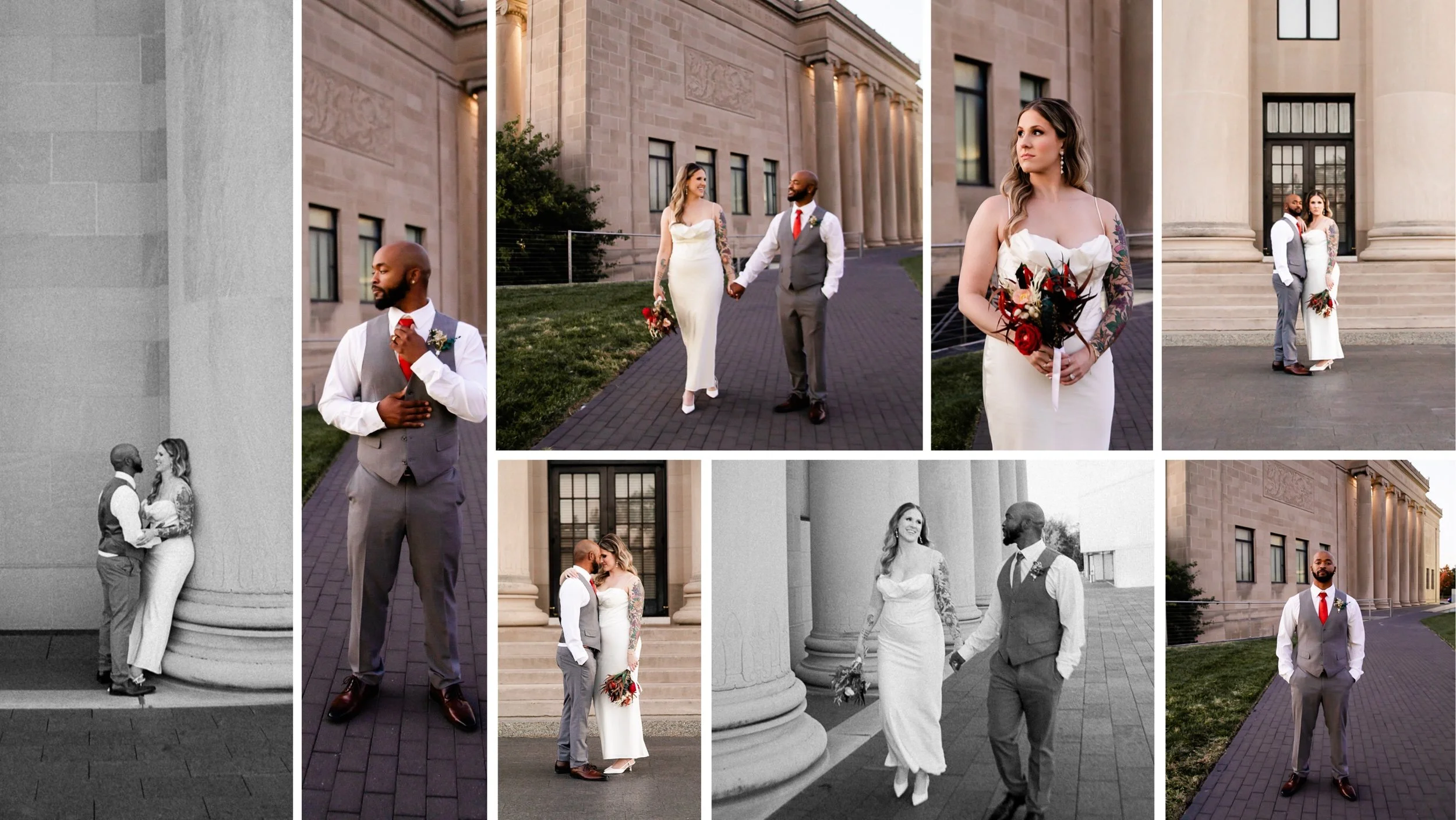
Some couples want a more documentary approach that covers the natural flow of the whole day. Others care most about the ceremony, portraits, and the main parts of the reception. Both are valid. The right number of hours depends on which parts of the day matter most to you.
When 6 Hours of Wedding Photography Might Be Enough
Six hours can work well for a wedding day that is more simple and streamlined.
This might be enough if:
you are not prioritizing much getting ready coverage
everything is happening in one place or very close together
you want the ceremony, portraits, and a portion of the reception documented
you are having a smaller wedding with a simpler timeline
For some couples, six hours is plenty. Especially if the day is more relaxed and there are not a lot of moving parts.
Where six hours can start to feel tight is when couples want more of the in-between story of the day, a fuller getting ready portion, or more of the reception documented after dinner and formal dances.
When 8 Hours Usually Makes Sense
For a lot of weddings, eight hours is the sweet spot.
Eight hours often gives enough room for:
part of getting ready
a first look, if you are doing one
portraits
ceremony
family photos
reception coverage through dances and some open dancing
This tends to be a good middle ground for couples who want the day documented in a meaningful way without necessarily needing every last moment covered.
If you are planning a more traditional wedding day and want a fuller story without feeling rushed, eight hours often makes the most sense.
When You May Want More Coverage
There are some wedding days where more coverage is absolutely worth it.
You may want more than eight hours if:
you want both partners’ getting ready covered fully
your day includes multiple locations
there’s a lot of travel built into the timeline
you’re having a larger wedding with more moving parts
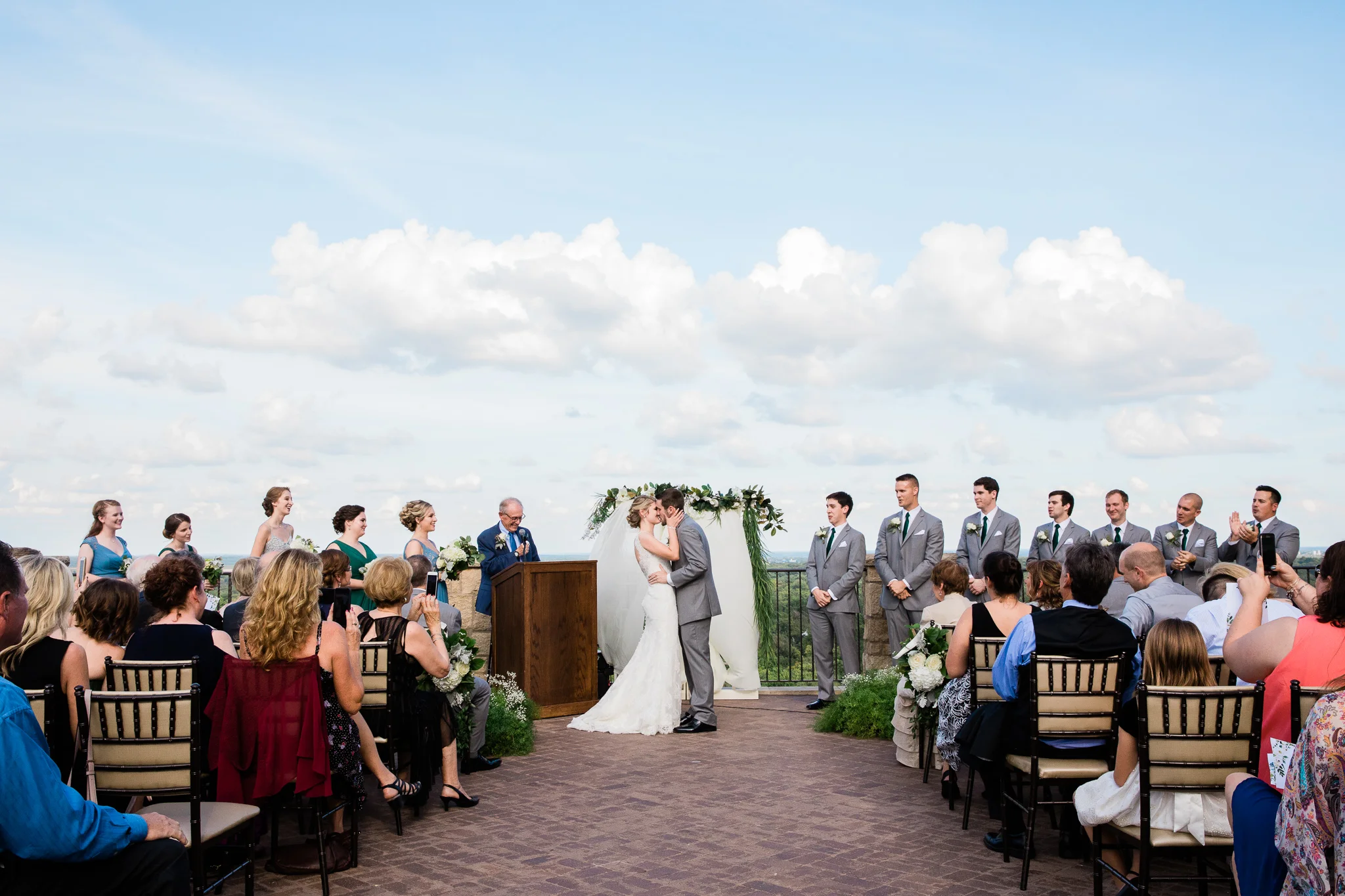
you care a lot about the reception and want that part of the evening documented fully
you are planning a grand exit or a later-night celebration
The more pieces there are in the day, the more important it is to leave breathing room in the timeline. If the coverage window is too short, it can create stress and make the day feel more compressed than it needs to.
What Couples Often Regret Cutting
If couples end up wishing they had booked more coverage, it is usually not because they wanted more posed photos.
It’s usually because there were parts of the day they thought they could do without that ended up mattering more than expected.
A few things people often regret cutting:
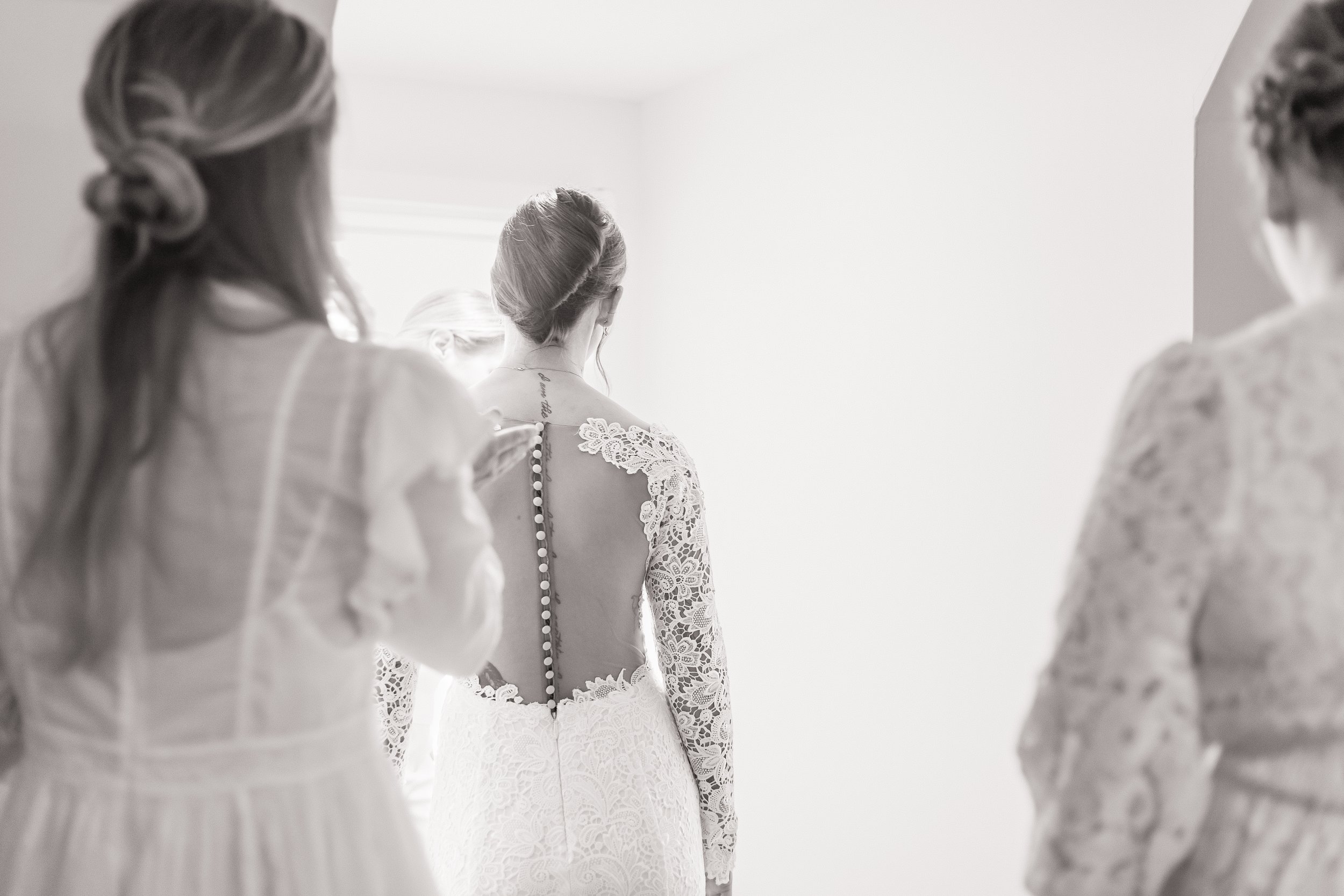
getting ready
extra buffer time for portraits
part of the reception
quiet in-between moments with family and friends
sunset portraits
the ending of the night
It’s easy to think in terms of only the biggest events, but some of the most meaningful photos come from the parts of the day that are less scheduled and less obvious.
The Timeline Matters More Than People Think
A lot of the time, this question is really a timeline question.
If your wedding day has:
multiple locations
family dynamics to work around
travel time between venues
a large guest list
a big wedding party
several important moments you do not want rushed
then the number of hours you need is probably more than you first think.
Kansas City weddings can move quickly once the day starts, and even a timeline that looks simple on paper can feel tighter in real life. That is one reason I always think it is better to give yourselves a little more room if the day has a lot of pieces to it.
You Do Not Need to Cover Everything to Have a Meaningful Gallery
More coverage is not always better just because it is more.
Some couples truly do not need a full day. If you are planning something smaller, more intimate, or more focused on a few meaningful parts of the day, shorter coverage may be exactly right.
The goal is not to book the maximum number of hours. The goal is to choose enough coverage that the day can unfold without feeling rushed and the moments that matter most have room to be documented well.
A Good Way to Decide
If you’re unsure, I would start by asking yourself:
What parts of the day would I be disappointed not to have photographed?
That usually gives you a clearer answer than just looking at a number.
If the answer is:
ceremony
portraits
first dance
then you may not need as much coverage.
If the answer includes:
getting ready
first look
quiet moments before the ceremony
family interactions
reception energy
the end of the night
then you likely want a fuller window.
What I Usually Tell Couples
Most couples need more coverage than they first assume, especially if they want the day to feel calm and not overly compressed.
That doesn’t mean everyone needs the same thing. It just means wedding days tend to move quickly, and a little extra breathing room usually makes for a better experience and a more complete gallery.
If you’re trying to decide, it can help to think less in terms of “How many hours can we get away with?” and more in terms of “What do we want this day to feel like, and what moments matter most to us?”
That’s usually where the right answer starts to become clearer.
The right number of wedding photography hours (and whether you need a second photographer) depends on your timeline, your priorities, and how much of the day you want documented.
Some weddings only need a shorter window. Others really benefit from more time. The best choice is the one that gives your day enough room to unfold naturally without feeling rushed.
If you’re trying to decide what kind of coverage makes the most sense for your wedding day, you can learn more about wedding photography here, view pricing here, or inquire to see if I am available for your wedding day.
Wedding Photography Coverage FAQ
Is 6 hours enough for wedding photography?
Sometimes, yes. Six hours can work well for a simpler wedding day with one location and fewer moving parts. It can start to feel tight if you want a lot of getting ready or reception coverage.
Is 8 hours enough for most weddings?
For many couples, yes. Eight hours is often a good middle ground and gives room for a meaningful portion of the day to be documented without feeling too rushed.
How do I know if I need more coverage?
If your day includes multiple locations, a larger guest count, more travel, or a full reception you want documented, you may want more than a shorter coverage window.
Can you help us figure out what makes sense for our day?
Yes. The best amount of coverage depends on your specific timeline and priorities, and I am always happy to help couples think that through.
What would you like to do next? Inquire about your date, view pricing, or read FAQ’s?